What are you insuring?
Agency
Clients
What are you insuring?
Agency
Clients
Specialty insurance
Commercial auto and liability for wheelchair van, stretcher van and dialysis transport companies. We help you through the paper application and get the certificate your broker or facility contract asks for.
Or call
The short answer
A non-emergency medical transportation (NEMT) company needs commercial auto liability on every van, general liability on the business and, in most states, workers’ compensation for its drivers. State Medicaid minimums are often low, but transportation brokers and healthcare facilities usually set higher limits in their contracts, commonly $1 million in auto liability. The contract decides what you actually carry.
Common contract limit
$1M auto liability
Vehicles
Wheelchair, stretcher and ambulatory vans
Typical trips
Dialysis, therapy, doctor visits, discharges
Corporate offices
Texas and Georgia
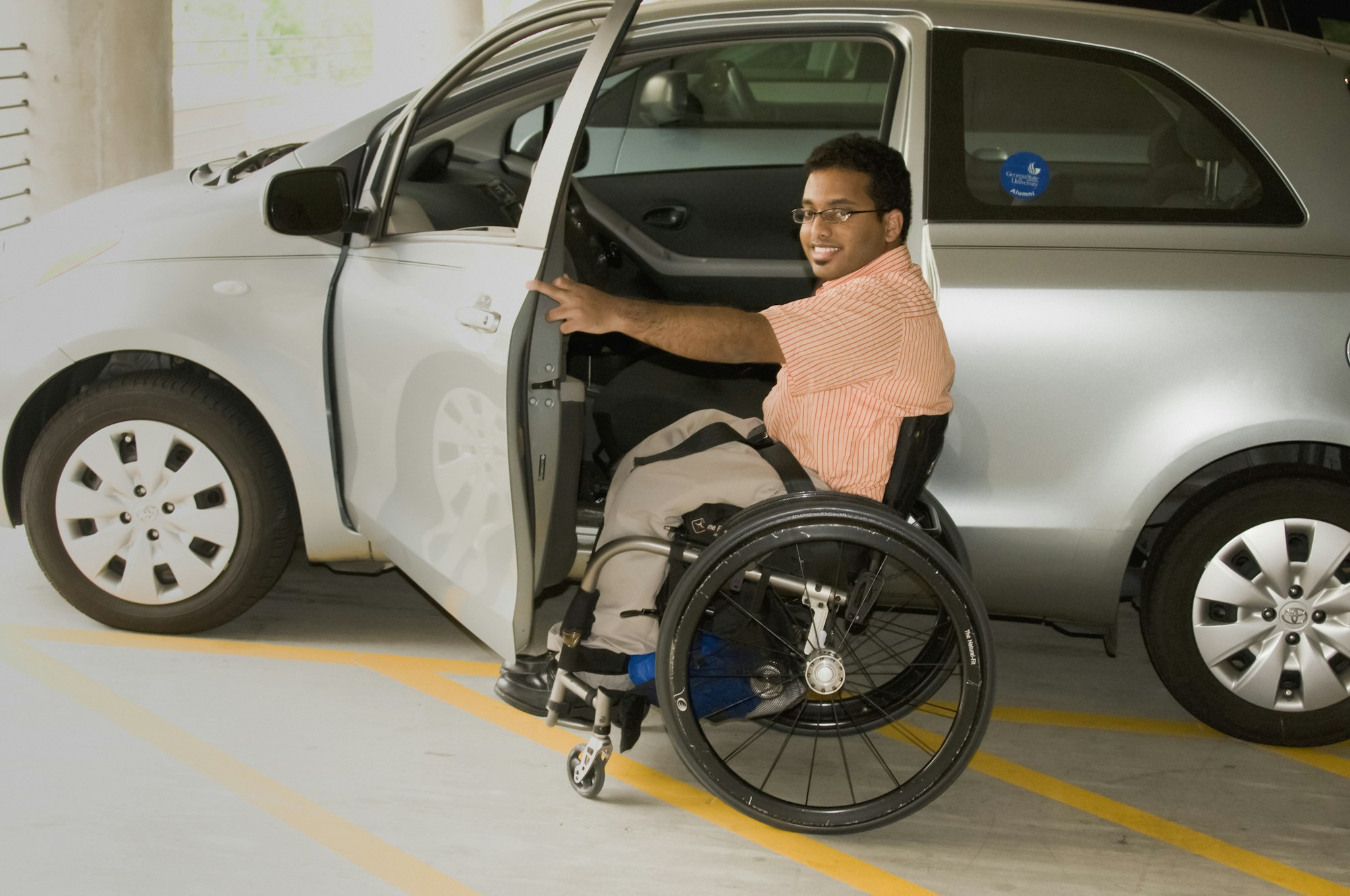
Most commercial auto carriers won’t write a van that carries patients for hire. Your passengers are often elderly, in wheelchairs or on stretchers, and the van makes the same dialysis run three times a week. Underwriters see a passenger who can be hurt during boarding as well as in a crash, and many decline the class outright.
A smaller group of carriers writes NEMT on purpose, and Tree Insurance Agency places business with them. As an independent agency with 150+ carrier partnerships, we can quote more than one of them for you instead of sending your file to the one company a captive agent represents. That matters when a new operation needs its first policy, or when a renewal comes back with a rate increase you can’t absorb.
Here is the core of a NEMT program. Your contract may add other requirements.
Injuries to passengers and others, and damage to other people’s property, caused by your vans. This is the limit brokers and facilities look at first.
Repairs to your own vans, including wheelchair lifts, ramps and securement systems, after a crash, theft or storm.
Injuries that happen outside the driving, such as a passenger who falls on the way from the van to the clinic door.
Claims tied to the care your drivers give, such as a mistake while assisting or securing a passenger.
Drivers who are hurt lifting and assisting passengers. Georgia requires it once you have three or more employees. See our workers’ compensation page.
Medical bills for your passengers and driver when the other driver can’t pay, or regardless of fault.
Most NEMT work is paid by Medicaid through a transportation broker, or by a hospital, dialysis center or nursing home under its own vendor contract. Each one sets insurance requirements, and those requirements are usually higher than the state minimum.
Louisiana is a good example of the gap. Its Medicaid managed care manual sets the auto liability floor for NEMT providers at $25,000/$50,000/$25,000 split limits or a $300,000 combined single limit. Trips across state lines fall under federal rules, which require $1.5 million for for-hire passenger vans. Broker and facility contracts commonly ask for $1 million in auto liability, plus general liability and workers’ compensation.
Read the insurance page of your contract before you buy anything. Send it to us and we’ll quote to what it says.
Checklist
Contracts are strict about the certificate, and a wrong detail can hold up your credentialing or your payments. These are the items brokers and agencies most often check.
When you add a van, call us before it goes into service. Louisiana’s rules, for example, require the broker to see the updated policy before the vehicle is used.
1
Coverage described as non-emergency medical transportation, not general passenger transport
2
Every van listed on the policy by VIN before it carries a passenger
3
The broker or state agency named as additional insured on the auto and general liability policies
4
A notice-of-cancellation clause to the broker or agency, often 30 days
5
Limits that match or exceed each contract you hold
NEMT applications are still mostly paper, and carriers want more detail than a regular auto application. Here’s how we split the work with you.
1
One list of everything the carriers will ask for: vans and VINs, wheelchair and stretcher equipment, drivers’ licenses and MVRs, trip volumes and the contracts you hold or are bidding on.
2
We complete the carrier applications and supplemental NEMT questionnaires from your information, then send them to you to review and sign.
3
We send the file to the NEMT carriers that fit and compare limits, deductibles and price side by side.
4
Once you bind, we issue certificates to each broker and facility with the wording their contract requires, and we reissue them at renewal.

We write NEMT companies from a single wheelchair van to fleets with dispatch staff. If you also run ambulatory rides, courier routes or other commercial auto work, tell us so the policy covers every use.
The cost depends on how many vans you run, their values, your drivers’ records, how many trips you make and the limits your contracts require. A $1 million auto liability limit costs more than a state minimum, and new operations pay more than companies with a few clean years. We quote several NEMT carriers so you can compare the total.
Most NEMT companies do, because Medicaid broker and facility contracts commonly require $1 million in auto liability even when the state minimum is lower. The contract is the rule you have to meet. Send us the insurance page of your contract and we’ll quote the limits it lists, plus any additional insured or cancellation notice wording.
No. Personal auto policies exclude carrying passengers for a fee, so a claim during a paid trip would likely be denied. Brokers and facilities also won’t accept a personal policy on a certificate. Every vehicle used for NEMT trips needs to be on a commercial auto policy written for that use.
Yes. New companies can get NEMT insurance, though fewer carriers will quote and the down payment is often higher. Having driver MVRs, vehicle details, safety and securement training records and your contract requirements ready gives underwriters what they need. We help new operators put that file together before the first quote.
Commercial Auto Insurance
Commercial auto insurance covers vehicles your business owns, leases or uses for work, along with the employees who drive them.
Fleet Insurance
Fleet insurance is a commercial auto policy that covers five or more business vehicles under one contract, with a single renewal date and a…
General & Professional Liability
General liability insurance pays when someone outside your business says you hurt them or damaged their property.
Specialty Insurance
Specialty insurance covers businesses that standard carriers decline or exclude, such as armed security companies, interstate trucking and…