
What are you insuring?
Agency
Clients
What are you insuring?
Agency
Clients
Business insurance
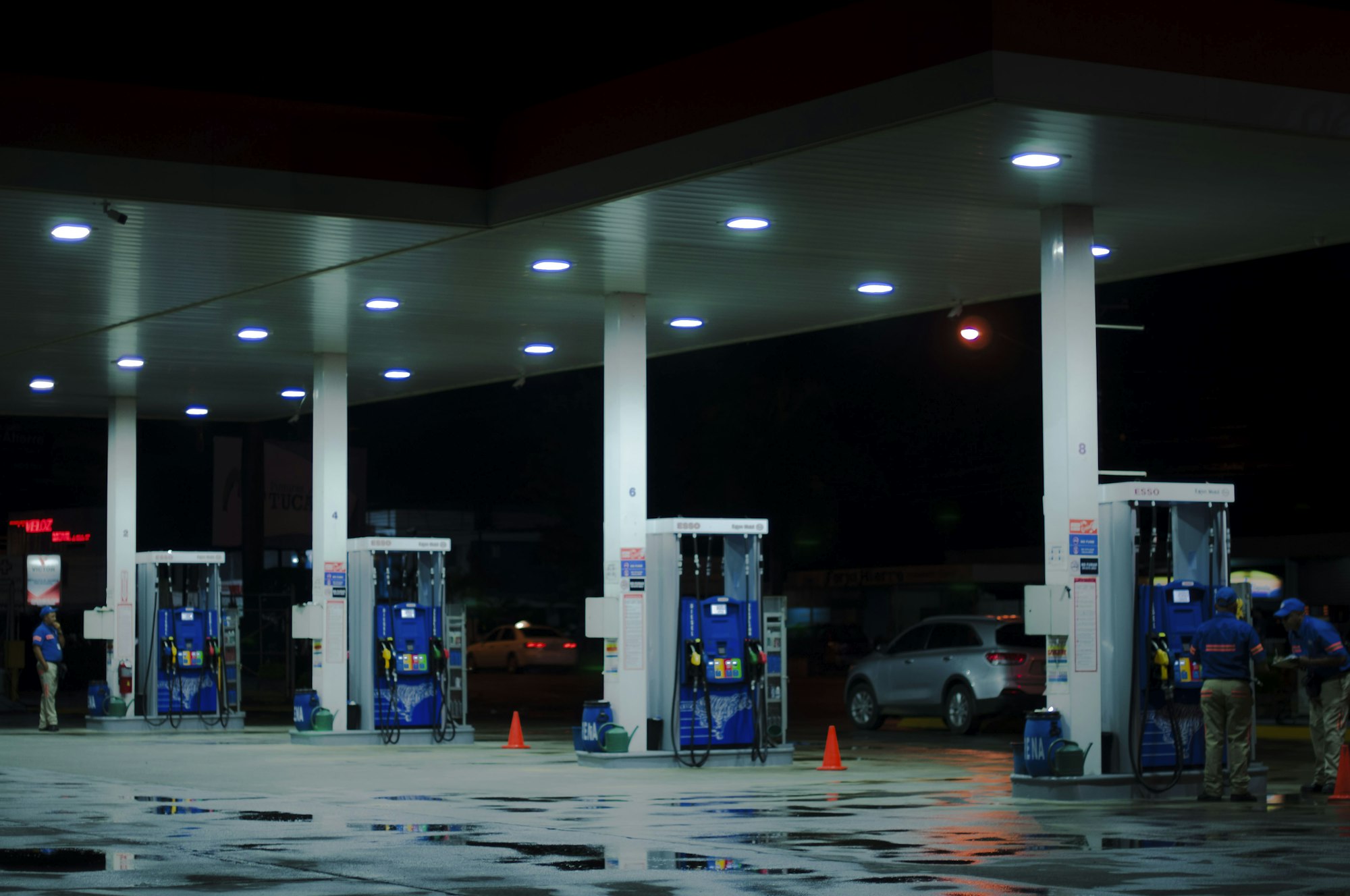
Gas stations, shopping centers and strip retail worth $5 million to $20 million. If your carrier non-renewed you over wind, we place the risks most agents send back.
Or call
The short answer
Commercial property insurance pays to repair or rebuild a business building and replace what’s inside it after fire, wind, hail, theft or vandalism. It usually also covers the income you lose while the property is closed. For high-value buildings near the Gulf, the wind portion is the hard part to place, and it’s the part we specialize in.
Property values
$5M–$20M per location
Property types
Gas stations, shopping centers, strip retail
Markets
150+ carrier partners, including wind specialists
Corporate offices
Texas and Georgia
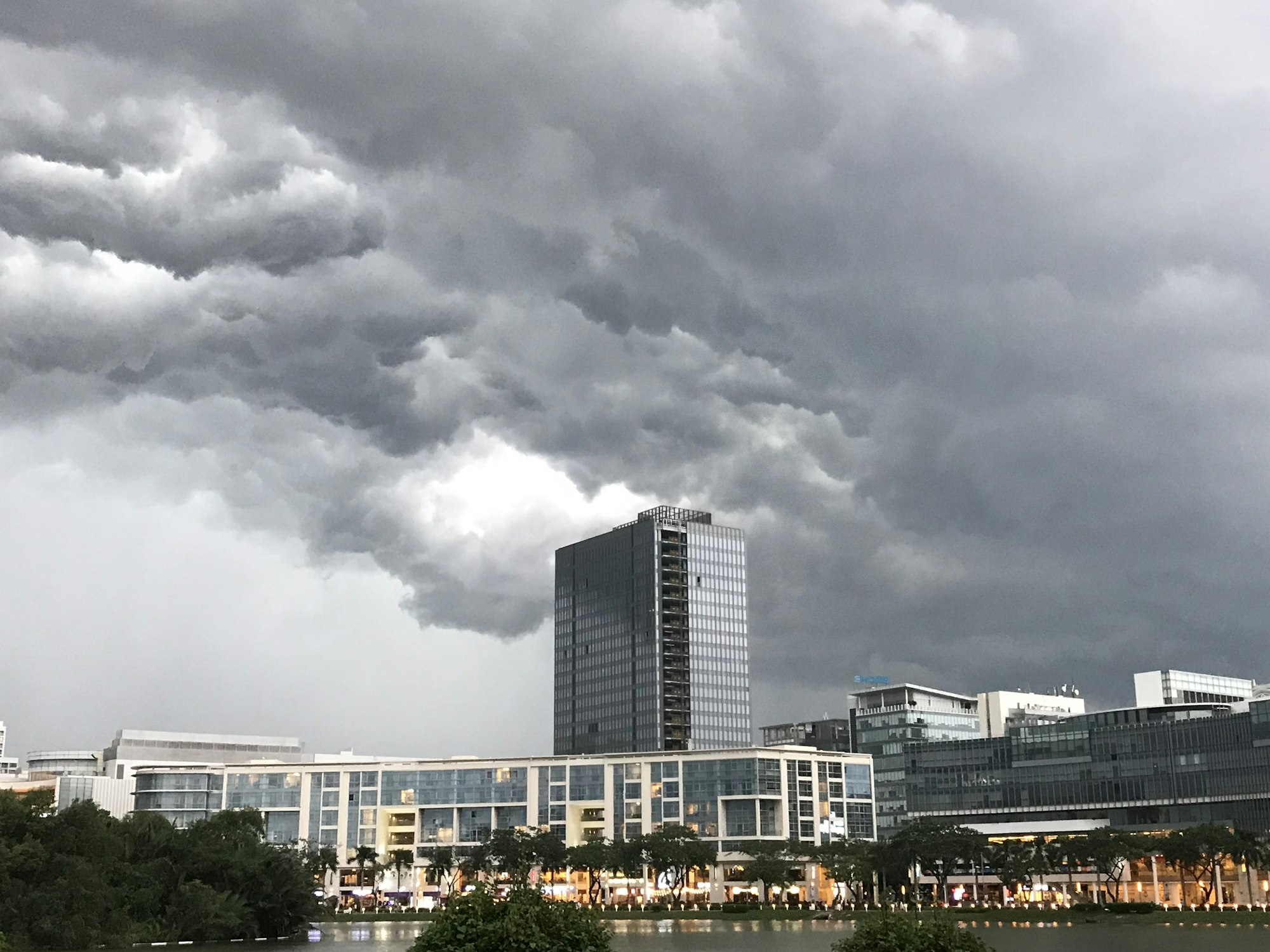
Wind is the reason. A shopping center in Katy or Pasadena sits inside the same storm track as Ike and Beryl, and a carrier that already holds a lot of Gulf Coast buildings can only take so many more. When their appetite fills up, they non-renew good properties with clean loss histories. The owner gets a non-renewal notice and an agent who says nobody will write it.
Somebody will. It usually takes more than one carrier: a primary property policy, a separate wind or named-storm layer, and sometimes a second carrier sharing the top of the building’s value. Putting that stack together is most of what we do on these accounts, and it’s why owners who were turned down elsewhere end up calling our Katy office.
The same applies in Georgia. Our Fayetteville office writes the same carriers for Atlanta-area retail and mixed-use property.
Most of our accounts carry these coverages. We’ll tell you which ones your lender or tenants actually require and which are your call.
The structure, canopies, signs, parking lot lighting and permanently installed fixtures, insured at replacement cost when the carrier allows it.
Inventory, coolers, POS systems, furniture and tenant improvements you paid for.
Lost income while the property is closed for repairs, including rent your tenants stop paying after a covered loss.
Often written on its own policy or with a separate named-storm deductible. This is the piece standard carriers drop first.
Fuel pumps, compressors, HVAC and electrical systems that fail from mechanical or electrical breakdown.
The extra cost of rebuilding to current code when an older building is damaged.
On coastal and near-coastal Texas property, the wind deductible is usually a percentage of the building’s insured value rather than a flat dollar amount. A 2% deductible on a $10 million shopping center means the first $200,000 of a hurricane claim is yours. Percentages from 1% to 5% are common, and the number drives the premium more than almost anything else.
We quote more than one deductible option so you can see the trade-off in dollars. Some owners buy a lower deductible on the building and a higher one on contents. Others put the wind on its own policy so a hurricane loss doesn’t touch the rest of the program.
Flood is separate. Wind policies exclude rising water, so properties in or near a flood zone need their own flood policy, and we place that too.
Checklist
Having these ready when you call cuts days off a quote. If you’re missing some, we’ll tell you which ones matter for your building.
Recent photos of the roof and the street-facing side help more than most owners expect.
1
A statement of values listing each building, its square footage and its replacement cost
2
Five years of loss runs from your current and prior carriers
3
Year built, plus the year the roof, wiring, plumbing and HVAC were last updated
4
Construction type (masonry, steel, frame) and roof type
5
Fire protection, including sprinklers, alarms and the distance to the nearest hydrant
6
Tenant list and what each tenant does, for shopping centers and strip retail
7
Your non-renewal or declination letter, if you have one
Our property book leans toward retail and service businesses along the Houston and Atlanta corridors. These are buildings with real exposure and owners who need the coverage to satisfy a lender.
On Gulf Coast property, the most common reason is that the carrier has too much wind exposure in your area, not anything wrong with your building. Other reasons include roof age, a recent claim or a change in tenants. Your non-renewal letter usually states the reason. Send it to us and we’ll tell you which markets are still writing your type of building.
It depends on the building’s value, construction, roof age, distance from the coast and the wind deductible you choose. For a $5M to $20M property, the wind deductible percentage moves the premium more than any other choice. We quote several deductible options side by side so you can compare the actual dollars.
Yes. Gas stations and convenience stores are one of the property types we write most. A full program usually covers the building, the canopy, pumps and tanks, inventory and business income. Fuel systems and pollution liability are underwritten separately, and we place both.
The Texas Windstorm Insurance Association covers the 14 first-tier coastal counties and part of Harris County east of Highway 146. Most of Houston, including Katy, is outside that area, so wind coverage comes from the private market. That’s why carrier relationships matter so much for Houston property.
No. Standard commercial property and wind policies exclude flood from rising water. If your property is in or near a flood zone, or your lender requires it, you need a separate flood policy. We place flood alongside the property program so the coverage dates and limits line up.
General & Professional Liability
General liability insurance pays when someone outside your business says you hurt them or damaged their property.
Business Owners Policy
A business owners policy (BOP) packages general liability, commercial property and business income coverage into one policy for small and…
Homeowners Insurance
Homeowners insurance in Texas pays to repair or rebuild your house, replace your belongings and cover your liability if someone is hurt on your…