What are you insuring?
Agency
Clients
What are you insuring?
Agency
Clients
Commercial auto
For the plumber’s van, the landscaper’s pickup and the sales rep’s company car. If a vehicle earns money for your business, it needs a policy written for business use.
The short answer
Commercial auto insurance covers vehicles your business owns, leases or uses for work, along with the employees who drive them. It pays for injuries and damage your drivers cause, repairs to your own vehicles, and the lawsuit that follows a serious accident. Personal auto policies typically exclude business driving, so a work vehicle needs its own commercial policy.
Vehicles
Pickups, vans, box trucks, company cars
Auto markets
30+ auto carriers, 150+ partners overall
Licensed in
10 states, including TX and GA
Corporate offices
Texas and Georgia
Read the exclusions page of a personal auto policy and you’ll find the problem in a sentence or two. Most personal policies exclude accidents that happen while you’re driving for business, delivering goods for a fee or driving for a ride-hailing app. The Texas Department of Insurance lists those same gaps in its consumer auto guide. A company-owned car you drive every day usually falls outside your personal policy too.
The bigger issue is who gets sued. When your employee rear-ends someone in the company truck, the injured driver’s attorney names your business, not just the driver. A personal policy insures people. It doesn’t defend an LLC or a corporation, and its limits are set for household risk. Texas only requires 30/60/25 on a personal policy, and $25,000 of property damage doesn’t go far once a work truck hits a new SUV or a storefront.
Tree Insurance Agency is an independent agency, which means we’re licensed with many carriers instead of selling for one. With 30+ auto carriers and 150+ carrier partnerships overall, we can usually find a market that rates your vehicles and drivers fairly, even after a carrier has declined you.
Most of the commercial auto policies we write cover one to four vehicles. Larger operations belong on a fleet program.
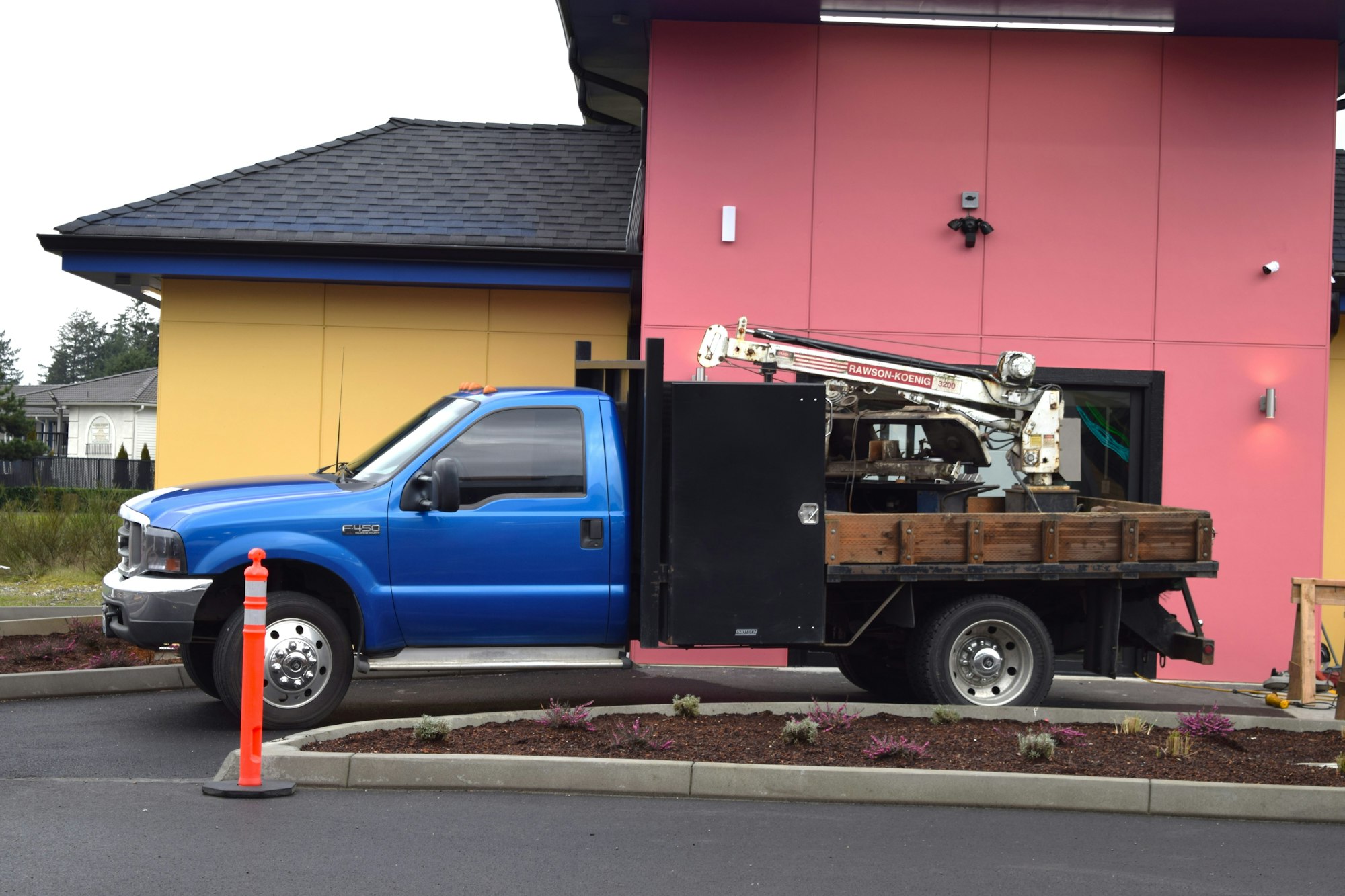
Pickups and flatbeds for builders, roofers, electricians, plumbers and landscapers, including tools and ladder racks attached to the truck.
HVAC, pest control, cleaning and courier vans that carry equipment or make daily stops.
Straight trucks moving your own goods around town, such as furniture, appliances or restaurant supply.
Tractors and trailers hauling your own products between your sites. If you haul other people’s freight for pay, see our commercial trucking insurance.
Sedans and SUVs titled to the business and driven by owners, managers and sales staff.
Tow trucks, food trucks, dump trucks and other vehicles with their own underwriting questions.
Shuttle vans and medical transport vehicles. Wheelchair and dialysis transport is written on our NEMT program.
Your business can be liable for vehicles it doesn’t own. An office manager runs to the bank in her own car. A crew lead rents a truck for a job in San Antonio. If either one causes a serious accident on company business, the claim lands on your company.
Hired and non-owned auto coverage, often shortened to HNOA, picks up that liability. Hired auto covers vehicles you rent, lease short term or borrow. Non-owned auto covers employees’ personal vehicles used for your work. It doesn’t repair the employee’s car; their own policy handles that. HNOA protects the business from the lawsuit.
Plenty of companies with no titled vehicles at all still need it, and many client contracts require it on the certificate. We can add it to a commercial auto policy or, in some cases, to a general liability or business owners policy program.
Liability is the part the law and your contracts require. The rest depends on what the vehicles are worth and how long you can run without one.
Injuries and property damage your drivers cause to others, plus legal defense. Business clients and general contractors often require $1 million.
Repairs to your vehicle after a crash, regardless of fault. Lenders require it on financed and leased units.
Theft, vandalism, fire, hail and flood damage when the vehicle isn’t moving.
Your driver’s injuries and vehicle damage when the at-fault driver has no insurance or too little.
Medical bills for your driver and passengers after an accident, regardless of fault.
A replacement vehicle while yours is in the shop, so a covered claim doesn’t park a crew.
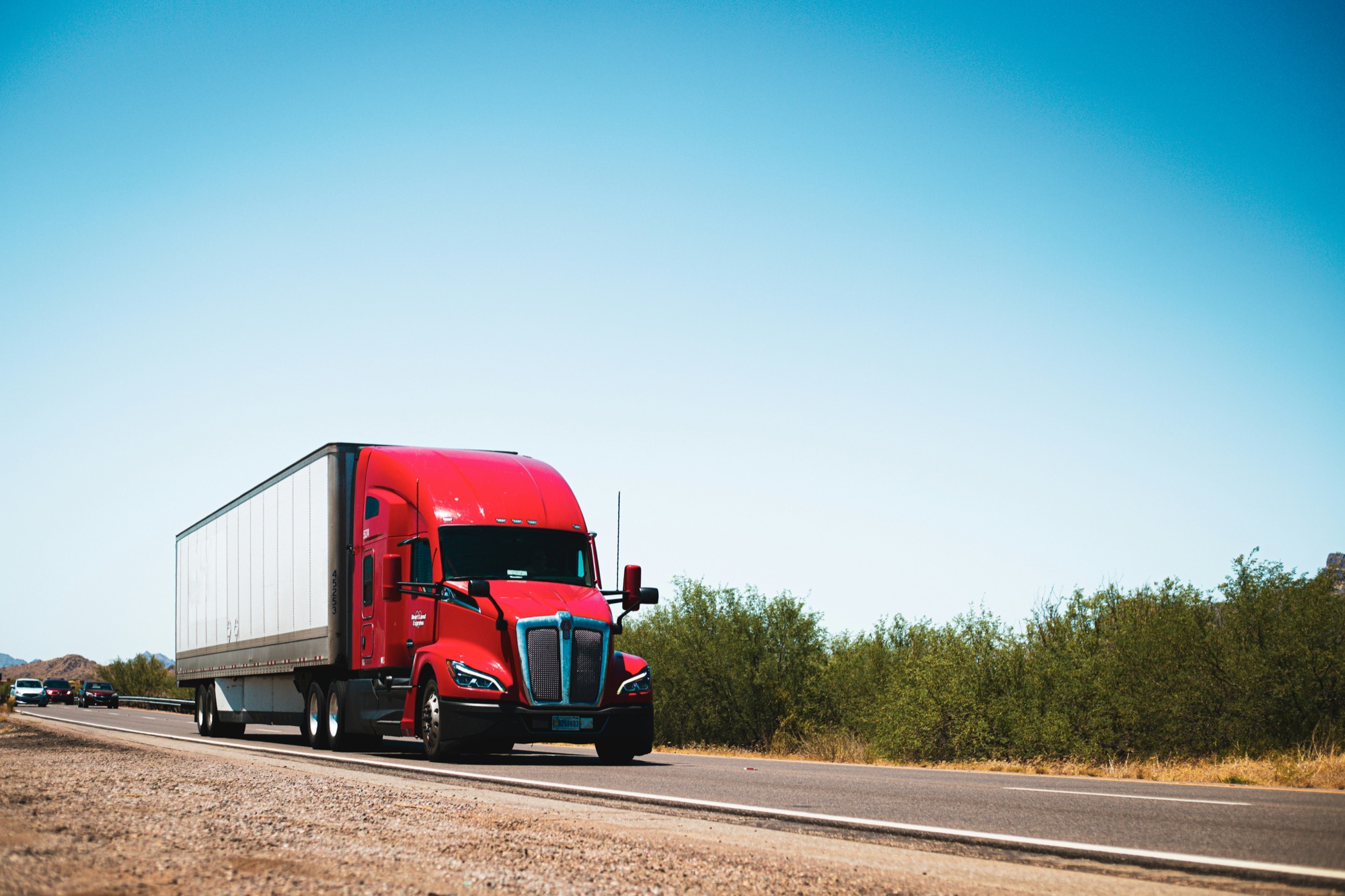
If you haul other people’s freight for pay, a commercial auto policy isn’t the right fit. For-hire trucking is its own line, written by trucking specialists, and the FMCSA won’t activate your operating authority until your insurer files proof of liability on a BMC-91 or BMC-91X. For interstate general freight in a truck of 10,001 pounds or more, the federal minimum is $750,000, and most brokers ask for $1 million in liability plus cargo before they’ll tender a load.
We write trucking for owner-operators leased to a carrier, new authorities and small fleets, and we track every federal and state filing until it posts. Our commercial trucking insurance page covers the coverages, the filings and what drives the price.
Running five or more vehicles of your own without hauling for hire? A fleet insurance program usually prices better than a stack of single-vehicle policies.
Checklist
With these in hand, most small-business auto quotes come back within a day or two.
1
Year, make, model and VIN for each vehicle
2
Name, date of birth and driver’s license number for every driver
3
What the business does and how far vehicles usually travel from the garage address
4
Your current declarations page and three to five years of loss runs
5
Lienholder or lessor name for financed vehicles
6
Any contract that sets required limits or certificate wording
Usually, yes. If the truck carries tools and equipment to job sites, is titled to the business or is driven by employees, a personal policy may deny the claim. Some carriers allow light business use on a personal policy, such as driving to client meetings. Tell us exactly how the truck is used and we’ll say which policy fits.
Price depends on the vehicle type and weight, how far it travels, where it’s garaged, the drivers’ records and the limits you carry. A sedan used for sales calls costs far less than a dump truck. We compare quotes from several carriers at the same limits so you see the real difference.
Only if the policy includes non-owned auto coverage. Without it, your business has no protection when an employee causes an accident on a work errand. The employee’s personal policy pays first for their own car, and non-owned coverage protects the business from the liability claim.
Most businesses carry $1 million combined single limit, because general contractors, property managers and many commercial clients require it on the certificate. State minimums are far lower and don’t cover a serious injury claim. If your contract names a limit, that number sets the floor.
No. Commercial auto covers business vehicles that carry your own tools, goods or people, such as contractor pickups, service vans and company cars. If you haul other people’s freight for pay, you need a trucking policy with primary liability filed with the FMCSA, plus the cargo coverage most brokers require. We write both, and we’ll tell you which one your operation needs. See commercial trucking insurance.
Yes, once the policy is bound. Send us the certificate holder’s name, address and any additional insured or waiver wording, and we’ll issue it. Existing clients can request certificates through the client center.
Fleet Insurance
Fleet insurance is a commercial auto policy that covers five or more business vehicles under one contract, with a single renewal date and a…
Commercial Trucking Insurance
A for-hire trucking company hauling general freight across state lines needs at least $750,000 in primary auto liability, filed with the FMCSA on…
General & Professional Liability
General liability insurance pays when someone outside your business says you hurt them or damaged their property.
NEMT Insurance
A non-emergency medical transportation (NEMT) company needs commercial auto liability on every van, general liability on the business and, in most…