
Key points
- A leased-on owner-operator runs under the motor carrier’s primary liability and usually buys non-trucking liability (or bobtail), physical damage and occupational accident.
- With your own authority you buy primary auto liability of at least $750,000 for general freight, and your insurer files it with the FMCSA on a BMC-91 or BMC-91X.
- Federal rules don’t require a cargo filing for general freight, but most brokers won’t tender a load without cargo coverage.
- As a fleet grows, underwriters price your hiring standards, MVRs, CSA scores and loss history more than any single truck or driver.
- Commercial trucking premiums often pass $20,000 per truck a year, and new authorities, long radius and hazmat push them higher.
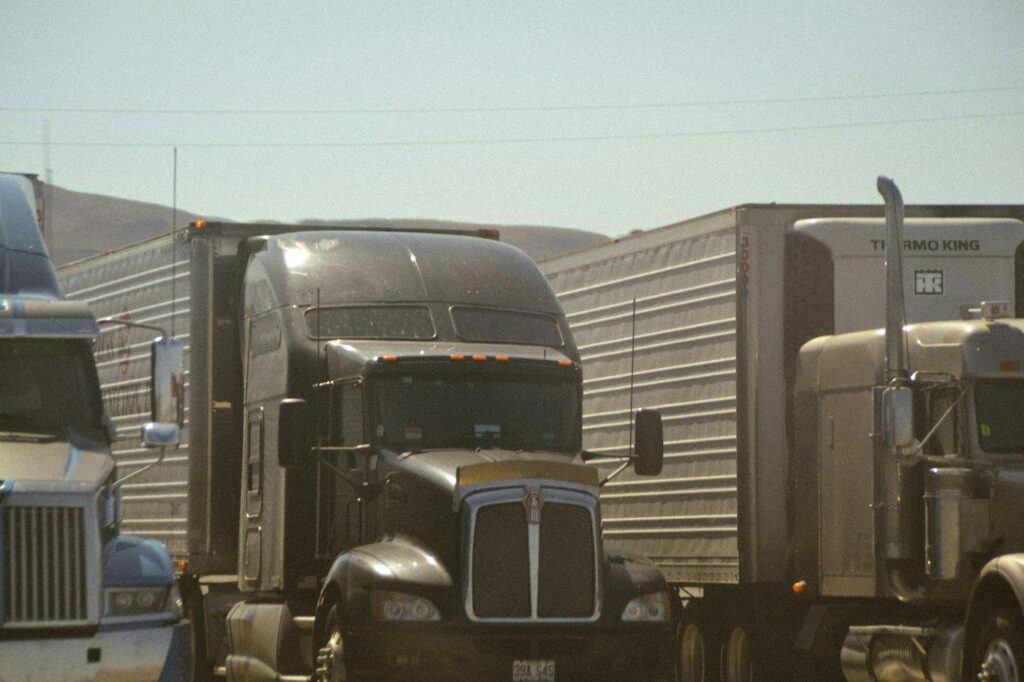
An owner-operator leased to a motor carrier buys a short list of coverages, because the carrier’s policy carries the primary liability while you’re under dispatch. Once you run under your own MC number, you buy everything: primary liability, cargo, physical damage and the federal filings that keep your authority active. Fleets carry the same coverages as a single-truck authority, but underwriters stop pricing one driver and start pricing how you run the company.
Below: what each stage requires by law, what brokers and lenders add, and what moves the premium. When you’re ready for numbers, start a trucking quote or call our toll-free line at (888) 994-7692.
Owner-operator trucking insurance when you’re leased on
When you lease your truck to a motor carrier, federal leasing rules put the operation under the carrier. Under 49 CFR 376.12, the lease must give the carrier exclusive possession, control and use of your truck for the length of the lease, and the carrier takes on complete responsibility for operating it. The lease also has to state that the carrier keeps the public liability insurance the FMCSA requires, and who pays for any other coverage, such as bobtail.
In practice, that means the carrier’s primary auto liability covers you while you’re hauling its loads. What you buy depends on your lease, and it usually comes down to three policies.
- Non-trucking liability or bobtail. Non-trucking liability covers your truck when you drive it for personal use, off dispatch. A true bobtail policy covers the truck running without a trailer, even on business. Your lease says which one the carrier wants.
- Physical damage. The carrier’s liability policy pays for the other driver’s car, not your tractor. If your truck is financed, your lender will require collision and comprehensive.
- Occupational accident. Leased owner-operators are usually independent contractors, so the carrier’s workers’ compensation policy typically doesn’t cover them. Occupational accident pays medical bills and lost income after an on-the-job injury.
Read the insurance section of your lease before you sign. Some carriers sell these coverages to you and charge them back against your settlements. The rule requires the lease to list the amount of any chargeback, and if you buy through the carrier you’re entitled to a certificate showing the insurer, limits, cost and deductible. Compare that price with a quote from an independent agency before you accept it.
Insurance for owner-operators with their own authority
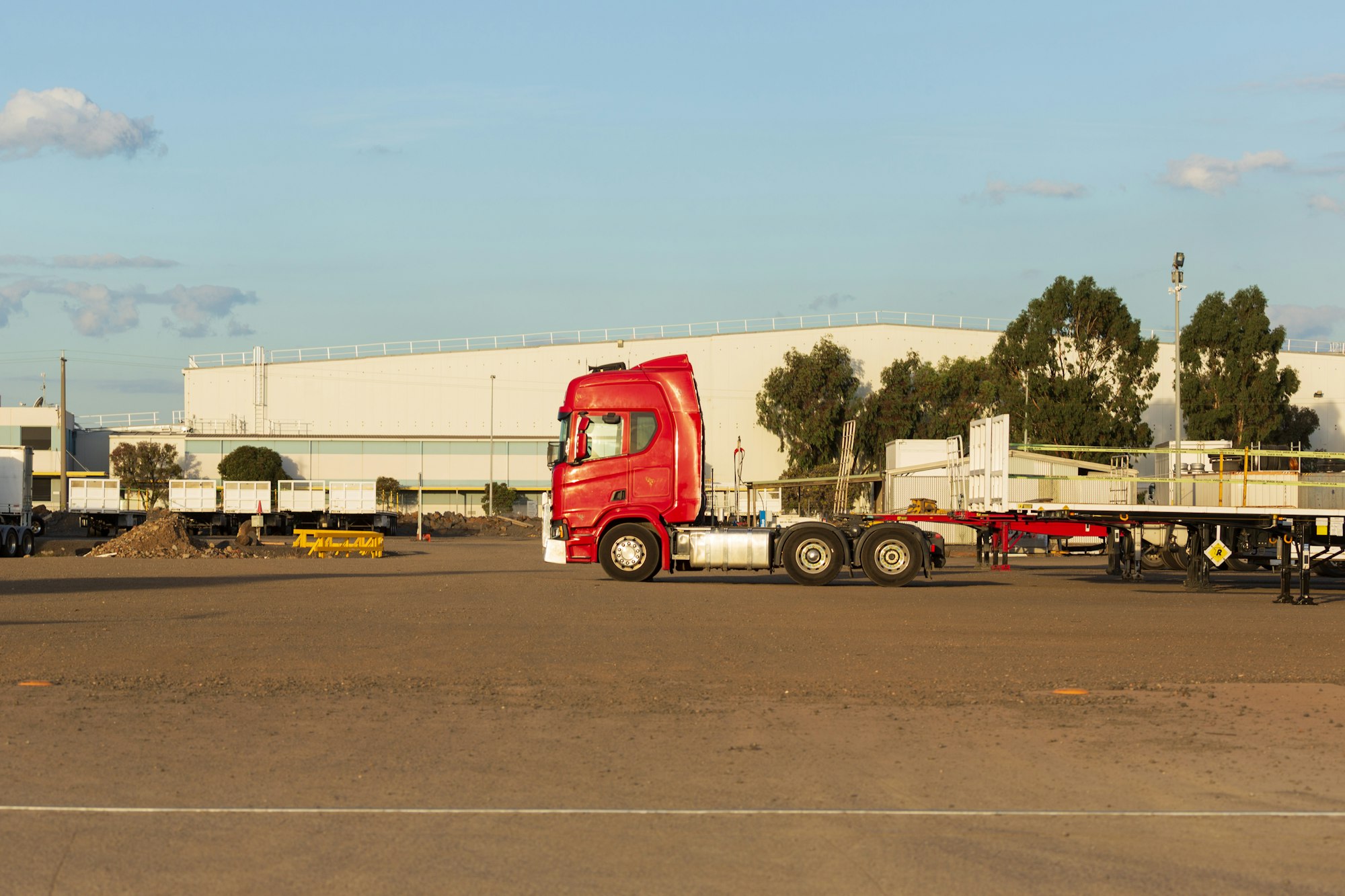
With your own USDOT and MC numbers, you’re the motor carrier. Nobody else’s policy stands in front of yours, and the FMCSA won’t activate your authority until it has proof of insurance on file.
Primary auto liability and the 49 CFR 387 minimums
Federal rules in 49 CFR 387.9 set the minimum liability for for-hire carriers running vehicles of 10,001 pounds or more in interstate commerce. The schedule follows what you haul.
- General freight (non-hazardous property): $750,000
- Oil and most hazardous materials: $1,000,000
- Certain bulk hazardous materials, explosives and radioactive materials: $5,000,000
Those are floors. Most brokers and shippers ask for $1 million in liability before they’ll book you, so that’s where most new authorities start.
BMC-91 and BMC-91X filings
Proof of liability goes to the FMCSA on form BMC-91 or BMC-91X. You can’t file it yourself. The insurance company makes the filing electronically once the policy is bound, and the agency has to make sure it posts to your FMCSA record. Bind coverage as soon as you have your MC number so the filing isn’t the thing holding up your start date.
The filing stays in force until it’s cancelled, and the federal rule calls for 35 days’ written notice to cancel. Brokers check your insurance status on the FMCSA record, so a lapse shows up quickly.
The MCS-90 endorsement
Your liability policy also carries the MCS-90 endorsement. It guarantees the public gets paid up to the federal minimum after a crash, even when the claim falls outside your policy (an unlisted truck, an excluded driver). The form also says you agree to pay the insurer back for any claim it pays only because of the MCS-90. An out-of-date vehicle schedule or driver list can leave you owing that money, so send every change to your agent the day it happens.
Motor truck cargo
The FMCSA requires a cargo filing only from household goods movers. For general freight, cargo coverage is a business requirement: brokers and shippers set it, and $100,000 is a common ask. Check the exclusions on any cargo quote. Unattended-vehicle theft, reefer breakdown and high-value commodities are where cargo claims get denied.
Physical damage and the other filings
Physical damage covers your tractor and trailer the same way it does for a leased owner-operator. If you pull trailers you don’t own under an interchange agreement, add trailer interchange coverage.
Two other federal items come with your own authority. The Unified Carrier Registration (UCR) is an annual fee paid by interstate carriers, and the amount is set by how many trucks you run. New carriers also enter an 18-month new entrant monitoring period, with a safety audit once you’ve been running long enough to have records. Insurers see both, and a failed safety audit makes the next renewal harder to place.
What changes as you add trucks
The coverages a fleet buys look a lot like a one-truck authority’s. The rating behind them changes. Our fleet insurance page covers the policy mechanics. Here’s what underwriters start weighing.
Fleet rating
Many carriers start fleet rating at five power units, though the cutoff varies by company. Below that, each truck and driver is rated close to individually, and one bad MVR can swing the whole premium. At five and above, underwriters look at the operation as a whole and lean on three to five years of loss runs.
Driver hiring standards and MVRs
Once you hire drivers, the federal driver qualification rules apply to you as the employer. Under 49 CFR 391.23, you must pull each new driver’s motor vehicle record from every state that licensed them in the past three years, within 30 days of hiring. Under 49 CFR 391.25, you pull and review every driver’s MVR at least once every 12 months.
Insurers go further. Most trucking underwriters set their own minimums for driver age, years of CDL experience and violations, and a driver outside them gets excluded or raises the rate for the whole fleet. Put your hiring standard in writing and run the MVR before you hand over the keys.
Safety programs and CSA scores
The FMCSA’s Safety Measurement System uses your roadside inspections and crash reports from the last two years, updates monthly, and ranks carriers in seven categories, including unsafe driving, hours of service and vehicle maintenance. Underwriters read those scores. A fleet with high percentiles in unsafe driving or maintenance pays more, and some markets won’t quote it at all.
A written safety program gives the underwriter something to credit: hiring standards, MVR reviews, maintenance logs, accident reporting and a plan for drivers who rack up violations.
Telematics and dash cameras
ELD data, GPS tracking and dash cameras now show up in trucking underwriting. Some carriers offer credit for sharing data from the system you run. Forward-facing camera footage also helps after a claim, because video that shows the other driver crossed the line can turn a liability claim into a recovery.
Owner-operator vs. fleet trucking insurance compared
| Stage | Leased owner-operator | Own authority, new | Established small fleet | Larger fleet |
|---|---|---|---|---|
| Whose authority | The motor carrier’s | Yours | Yours | Yours |
| Primary auto liability | Carrier’s policy, under dispatch | You buy it, $750K federal minimum for general freight | You buy it | You buy it, often with excess limits |
| BMC-91 / MCS-90 | Carrier’s filing | Your insurer files | Your insurer files | Your insurer files |
| Cargo | Usually the carrier’s (check the lease for cargo deductions) | You buy it for brokers | You buy it | You buy it |
| Your truck | Physical damage, plus bobtail or non-trucking liability | Physical damage | Physical damage on the schedule | Physical damage on the schedule |
| What underwriters weigh most | Your MVR and your lease | Your driving experience and the commodity | Loss runs and each driver’s MVR | Loss history, CSA scores, safety program |
What drives trucking insurance premiums at each stage
Commercial trucking premiums often pass $20,000 per truck a year for a carrier running under its own authority. A leased owner-operator buying only bobtail, physical damage and occupational accident pays much less. These are the factors that move the number.
- New authority. A carrier with no operating history has nothing for the underwriter to rate, so fewer companies quote it and the down payment runs higher. Rates usually improve after the first few clean years.
- Radius. Long-haul and multi-state routes cost more than local or regional work. Tell us the states you actually run, not every state on your authority.
- Commodity. Hazmat, auto hauling, high-theft loads and refrigerated freight all raise the premium. Hazmat can also raise the federal minimum to $1 million or $5 million.
- Driver experience. Underwriters look at age, years of CDL experience in the same class of truck, and violations on the MVR. A driver with two years of experience costs more than one with ten.
- Loss history. Three to five years of loss runs carry the most weight for an established fleet. A single large liability claim can follow you through several renewals.
How Tree Insurance Agency quotes trucking
Tree Insurance Agency is an independent agency, which means we’re not tied to one insurance company. We work with 150+ carriers overall, and we show you more than one trucking carrier side by side, with the down payment and monthly cost for each. We’re licensed in 10 states, with corporate offices in Katy, Texas and Fayetteville, Georgia.
To get started, send your USDOT and MC numbers (or the date your authority was granted), your trucks and trailers with VINs and values, every driver’s license and date of birth, and any loss runs you have. For a full rundown of coverages and filings, see our commercial trucking insurance page. Then request your trucking quote and a licensed agent will call you back with real numbers.
Common questions
Yes, but not the primary liability. The carrier’s policy covers you while you’re under dispatch. You still need non-trucking liability or bobtail for driving off dispatch, physical damage on your own truck, and usually occupational accident because you’re an independent contractor. Your lease spells out which of these the carrier requires and whether it charges any of them back to you.
Not for general freight. The FMCSA requires a cargo filing only from household goods carriers. Brokers and shippers set their own cargo requirements, and most won’t tender a load without proof of coverage, often $100,000. Ask what each broker you work with requires before you pick a limit, and check the policy’s exclusions for theft and reefer breakdown.
Many insurance companies start fleet rating at five power units, though the cutoff varies by company. Below that, each truck and driver is rated close to individually. Above it, underwriters look at your loss history, CSA scores and hiring standards as a group. We’ll tell you where your count falls with each carrier we quote.
Your physical damage and occupational accident can often carry over, but your bobtail or non-trucking policy won’t fit anymore. You’ll need primary auto liability and cargo written for your own authority, with the BMC-91 filed before you haul. Start the quote when you apply for your MC number so coverage is ready when the authority activates.
No. The MCS-90 protects the public, guaranteeing payment up to the federal minimum for injuries and damage your truck causes to others. It doesn’t pay for your truck or your cargo. If the insurer pays a claim only because of the MCS-90, the form lets it collect that money back from you.
Related coverage
Sources
- eCFR: 49 CFR 387.9, Financial responsibility, minimum levels
- eCFR: 49 CFR 387.7, Financial responsibility required
- eCFR: 49 CFR 387.313, Forms and procedures (BMC-91, BMC-91X, BMC-34)
- FMCSA: Form MCS-90
- eCFR: 49 CFR 376.12, Lease requirements
- eCFR: 49 CFR 391.23 and 391.25, Driver MVR inquiries
- eCFR: 49 CFR Part 367, Unified Carrier Registration fees
- eCFR: 49 CFR 385.307, New entrant safety monitoring
- FMCSA CSA: The Safety Measurement System